

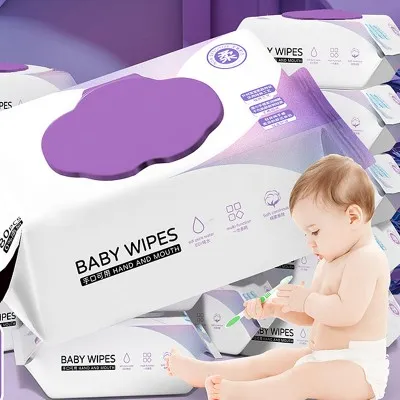
Flushable wipes are primarily made from cellulose fibers and plant fibers. Cellulose fibers, derived from plant fibers, are biodegradable, making them synonymous with green and environmentally friendly products, and currently attracting significant public attention.
Flushable wipes include toilet wipes, baby hygiene wipes, and feminine wipes, all three product categories experiencing continuous growth in usage. While toilet wipes account for a smaller market share, their growth rate is the fastest among all categories.
Traditional flushable products utilize a combination of dry-laying and hydroentangling processes, placing specific demands on the raw materials. To ensure good flushability in water, the fiber length must be ≤15mm; conversely, the fiber length must not be too short (below 5mm), as this hinders web formation and reinforcement in nonwoven fabrics.
According to the EDANA EDITION 3 standard, flushable wipes must simultaneously meet the requirements of 100% biodegradability and rapid dispersion in urban wastewater systems.


