



who we are?
Shanghai Joy Crown Industry Co., Ltd has focused on wet wipe manufacturing for over 16 years, and is a professional biodegradable wet wipe manufacturer and supplier with its own core brand in China.
Relying on our mature, standardized production system and deep insight into customer needs, we provide global clients with OEM/ODM personalized customization services for all categories of wet wipes, making us a reliable partner for creating high-quality customized wet wipe products.
We always place sustainable operation and environmental responsibility at the core of our development and take firm action to fulfill our green commitments: strictly controlling every step of the production process, striving to minimize the emission of harmful substances, pursuing “zero emissions and pollution elimination,” and actively contributing to the protection of the Earth’s ecosystem and human health.
high quality
Advanced Equipment
Professional Team
One-Stop Solution
-
![Biodegradable Bamboo Wipes]() Biodegradable Bamboo WipesCompared with traditional wipes, biodegradable bamboo wipes offer several environmental and functional advantages:. ✅ Made from renewable bamboo resources. ✅ Plastic-free wipe substrate. ✅ Naturally
Biodegradable Bamboo WipesCompared with traditional wipes, biodegradable bamboo wipes offer several environmental and functional advantages:. ✅ Made from renewable bamboo resources. ✅ Plastic-free wipe substrate. ✅ Naturally -
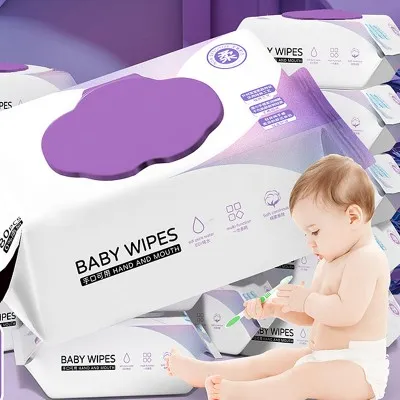
![Biodegradable Baby Wipes]() Biodegradable Baby WipesWhat are biodegradable baby wipes? Biodegradable baby wipes are made from 100% biodegradable plant fibers and are designed for cleaning babies' faces, hands, buttocks, and other body parts. These
Biodegradable Baby WipesWhat are biodegradable baby wipes? Biodegradable baby wipes are made from 100% biodegradable plant fibers and are designed for cleaning babies' faces, hands, buttocks, and other body parts. These -
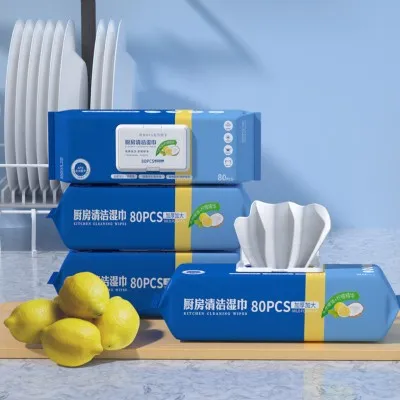
![Biodegradable Kitchen Wipes]() Biodegradable Kitchen WipesWhat are biodegradable kitchen wipes? Biodegradable kitchen wipes are made from 100% bamboo fiber or 100% viscose nonwoven fabric in plain, semi-cross, or semi-cross pearl weave patterns. They are
Biodegradable Kitchen WipesWhat are biodegradable kitchen wipes? Biodegradable kitchen wipes are made from 100% bamboo fiber or 100% viscose nonwoven fabric in plain, semi-cross, or semi-cross pearl weave patterns. They are -
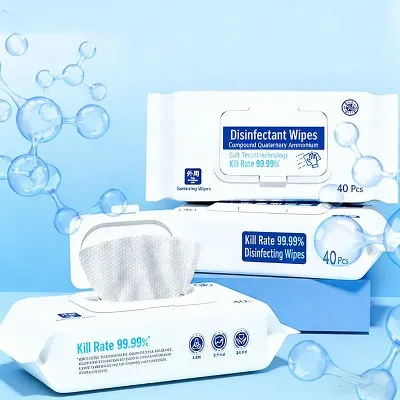
![Biodegradable Disinfectant Wipes]() Biodegradable Disinfectant WipesWhat are biodegradable disinfectant wipes? Biodegradable disinfectant wipes are made from non-woven fabrics made from 100% bamboo fiber or 100% viscose, infused with pure water and a specially
Biodegradable Disinfectant WipesWhat are biodegradable disinfectant wipes? Biodegradable disinfectant wipes are made from non-woven fabrics made from 100% bamboo fiber or 100% viscose, infused with pure water and a specially -
![Biodegradable Flushable Wet Wipes]() Biodegradable Flushable Wet WipesWhat are biodegradable flushable wipes? Biodegradable flushable wipes are 100% biodegradable wet wipes made from parallel straight-grain wood pulp fibers produced through a hydroentangled process.
Biodegradable Flushable Wet WipesWhat are biodegradable flushable wipes? Biodegradable flushable wipes are 100% biodegradable wet wipes made from parallel straight-grain wood pulp fibers produced through a hydroentangled process. -
![Biodegradable Hand Wipes]() Biodegradable Hand WipesBiodegradable Hand Wipes – Gentle, Effective & Eco-Friendly:. ✅ 100% Biodegradable Bamboo Fabric. ✅ Soft and Skin-Friendly. ✅ Excellent Absorbency. ✅ Effective Cleaning Performance. ✅ Antibacterial
Biodegradable Hand WipesBiodegradable Hand Wipes – Gentle, Effective & Eco-Friendly:. ✅ 100% Biodegradable Bamboo Fabric. ✅ Soft and Skin-Friendly. ✅ Excellent Absorbency. ✅ Effective Cleaning Performance. ✅ Antibacterial


Background of Biodegradable Wet Wipes
At Joy Crown, we uphold the concept of sustainable development—believing that green living and environmental protection are everyone’s responsibility. Our biodegradable wipes were developed with this commitment in mind.
Environmental Problems Caused by Traditional Wet Wipes(Main)
Issues such as the “toilet crisis” and pipe blockages, marine pollution and microplastics, as well as the rise in consumer environmental awareness, have become major driving forces behind the development of biodegradable wet wipes.
Market and Policy Response(External motivation)
In response to these challenges, governments have introduced plastic restriction policies, while brands and retailers are undergoing transformation. Meanwhile, technological innovations are accelerating the development and adoption of biodegradable products.
Definition and Importance of Biodegradation
Biodegradation refers to the process by which materials are broken down by microorganisms into basic components such as water, carbon dioxide, methane, and biomass under specific environmental conditions.This approach helps reduce pollution and resource consumption.
Biodegradable Wipes
Features
These wipes feature excellent absorbency and softness, gently cleansing the skin while providing a comfortable user experience. Compared to traditional wipes, they degrade more quickly, naturally returning to the environment without causing long-term pollution.
We are proud to contribute to the environment.
Choosing biodegradable wipes means caring not only for your own health but also for the Earth. By using these eco-friendly products, we can contribute to environmental protection and make our home cleaner and more beautiful. Let’s take action together—choose green products and build a more sustainable world!

What Makes Our Biodegradable Wet Wipes Different?
100% Bamboo Biodegradable Wipes – Soft, Strong & Plastic-Free
Experience the quality of 100% bamboo biodegradable wet wipes, designed for brands seeking sustainable and high-quality wipe solutions.
The uniform plant-based fiber structure provides excellent softness, controlled strength, and easy tearing for a premium cleaning experience.
Made from renewable bamboo fibers, our wipes are designed for eco-conscious baby care, personal hygiene, and household cleaning applications.
Key Features:
✔ 100% Bamboo Fiber Material
✔ Soft & Skin-Friendly Texture
✔ Strong Yet Easy to Tear
✔ Plant-Based & Biodegradable Solution
Plastic-Free Biodegradable Wet Wipes – Wood Pulp & Viscose Fiber Solution
See how plastic-free wet wipes perform without synthetic reinforcement layers.
Made from wood pulp and viscose fibers, these wipes can tear in multiple directions, demonstrating a flexible plant-based structure without PET plastic fibers.
Key Features:
✔ No PET Plastic Fibers
✔ 100% Plant-Based Nonwoven Material
✔ Multi-Directional Tearability
✔ Faster Fiber Separation in Water
A sustainable choice for eco-friendly wipes, compostable wipes, and OEM &private label production.
The Degradation Process and Significance
Degradation Process of Biodegradable Wipes:
When these wipes come into contact with soil or water, microorganisms and enzymes gradually break them down into simple organic matter and biogas. These substances are further decomposed into carbon dioxide, water, and organic compounds, eventually turning into harmless elements. This entire process causes no pollution, making biodegradable wipes a truly eco-friendly product.
How We Achieve Biodegradability in Production
As a household essential, wet wipes have a large environmental footprint, so we are committed to ensuring their biodegradability and reducing environmental impact through the following measures:
(1) Selection of Raw Materials
We use biodegradable natural fibers—such as cotton and bamboo fiber—that decompose rapidly in natural environments, minimizing ecological harm.
(2) Production Process
We minimize the use of non-degradable chemicals and strictly control both raw material selection and production processes. By avoiding environmentally harmful substances, we ensure that our wipes can degrade quickly after disposal.
(3) Packaging Materials
We also optimize our packaging design by using degradable packaging materials to reduce waste generation. Furthermore, we encourage consumers to sort and recycle packaging after use to further lessen environmental impact.
Environmental Significance of Biodegradable Wipes
(1) They effectively reduce pollution in soil and water resources.
Traditional wipes are usually made of synthetic fibers that do not decompose easily, remaining in the environment for long periods and causing pollution. In contrast, biodegradable wipes break down quickly and safely without harming the ecosystem.
(2) Their degradation process enriches soil fertility.
Once fully decomposed, the organic matter produced can be absorbed by soil microorganisms, improving soil structure, promoting microbial growth, and benefiting crop cultivation.
(3) The use of biodegradable wet wipes helps reduce plastic waste generation.
Traditional wipes are typically packaged in non-degradable plastics and discarded after single use, causing long-term pollution. Biodegradable wipes, however, can decompose naturally after use, significantly reducing plastic waste and contributing to a cleaner environment.
Characteristics and Advantages of Biodegradable Wipes
Biodegradable wipes offer multiple advantages and represent a green consumer product worth promoting.
Environmentally Friendly
Made from natural organic materials, they do not pollute the environment during use or disposal. Compared with traditional synthetic wipes, biodegradable wipes are more sustainable and reduce environmental burden.
Excellent Biodegradability
It can degrade naturally within a relatively short period, causing no harm to the soil or water. Unlike traditional wet wipes, it helps reduce waste accumulation and overall environmental impact, making it a more sustainable choice.
Superior Texture and User Experience
Made from natural fibers, they are soft, gentle on the skin, and less likely to cause allergies or irritation. Their cleaning performance is comparable to traditional wipes, efficiently cleaning the face, hands, and other areas for daily convenience.
Wide Range of Applications
Biodegradable wipes are versatile and practical for use at home, while traveling, or outdoors. Due to their high quality and environmental benefits, they are increasingly recognized and favored by consumers.


Raw Materials for Biodegradable Wipes
Biodegradable wipes come in various types, each with distinct features and applications. Common materials include paper, bamboo fiber, corn fiber, and other plant fibers. These natural materials are processed with biodegradation technology, enabling them to decompose quickly without polluting soil or water.

Natural Fiber-Based Wipes
One type of biodegradable wipe is made from natural fiber materials such as bamboo fiber and wood pulp paper. These wipes have high absorbency and softness, making them suitable for cleaning babies’ skin and wiping adults’ faces. Being made from natural materials, they are non-irritating and ideal for sensitive skin.
Paper wipes, made from pure natural wood pulp or recycled paper, are among the most common biodegradable types. They are non-toxic, harmless, and feature excellent absorbency and breathability—quickly absorbing moisture and cleaning the skin—suitable for both infants and adults.

Plant Fiber-Based Wipes
Another type of biodegradable wipe is made from plant fibers such as bamboo, corn, and ramie fibers. These wipes are produced without chemical additives, cause minimal irritation, and are suitable for multiple uses such as cleaning furniture, car interiors, and tabletops.
Bamboo fiber wipes are rich in bamboo lignin, which provides natural antibacterial and moisture-absorbing properties.
Corn fiber wipes are made from agricultural byproducts like corn stalks, processed at high temperatures.
Plant fiber wipes often contain natural plant extracts that protect and moisturize the skin.

Biodegradable Plastic-Based Wipes
Some biodegradable wipes are made using biodegradable plastics. It combines strong absorbency with durability. It naturally decomposes in a short period, causing no harm to the environment and leaving no lasting environmental burden after use.
With its wide range of applications, it is suitable for everyday tasks such as wiping kitchen grease and cleaning furniture surfaces, efficiently completing cleaning tasks and offering a practical option for environmentally conscious users.
Functions and Applications
Core Functions
The functions of biodegradable wipes can be summarized into two main aspects: basic cleaning functions and core environmental protection functions.
Basic Cleaning Functions
Cleaning and Hygiene: The most basic function of wipes is to clean skin and surfaces, removing dirt, grease, and bacteria.
Gentle Skin Care: Many biodegradable wipes contain natural moisturizing and soothing ingredients such as aloe vera, vitamin E, and chamomile, making them suitable for sensitive skin.
Convenience: Available in individual or bulk packaging, they are easy to carry and use anytime, especially for outdoor activities, camping, and hiking.
Core Environmental Protection Functions
Environmental Degradability: Their most essential feature. The materials can decompose within months to years under industrial composting, home composting, or natural conditions, while traditional plastic wipes may take hundreds of years.
Reduced Microplastic Pollution: Traditional wipes break down into microplastics that enter soil and water sources, eventually affecting ecosystems and human health through the food chain. These wipes eliminate this problem at its source.
Reduced Landfill Pressure: Even when sent to landfills, degradable wipes decompose faster than plastic wipes, occupying less space for a shorter time.
Main Application Scenarios
Based on their environmental and cleaning properties, biodegradable wipes have a wide range of applications.

Baby care; Facial and hand cleaning;Feminine Care

Furniture; Flooring; Kitchen and Bathroom Cleaning

Camping and Hiking;Travel and Business Trips machinery operation

Restaurant provides hand wipes after meals; Hotel room cleaning

Hospitals, clinics, and nursing homes
Precautions for Using Biodegradable Wipes
Using biodegradable wipes is an environmentally friendly choice, but some precautions should still be observed to ensure safety and effectiveness.
1. Check Certification Marks
When purchasing biodegradable wipes, pay attention to product quality and certification. Ensure that the wipes meet relevant environmental standards and avoid counterfeit or substandard products.
2. Do Not Flush into the Toilet
Even biodegradable wipes degrade much slower than toilet paper.Always dispose of them in the dry waste bin.
3. Proper Disposal
Best Method: If an industrial composting facility exists in your area and the product is labeled “Industrially Compostable,” dispose of it in the food waste or compostable waste bin. If labeled “Home Compostable,” you may cut the wipes into smaller pieces and place them in a home compost bin, though decomposition will be slower and requires basic composting knowledge.
Common Method: If composting facilities are unavailable, disposing of wipes as other waste/dry waste is the safest option.
4. Skin Safety and Personal Use
Check Expiration Date: Due to their natural materials (such as wood pulp or bamboo fiber) and mild formulas (with fewer preservatives), biodegradable wipes may have a shorter shelf life than traditional wipes. Always check the expiration date before use.
Patch Test for Sensitive Skin: Although biodegradable wipes generally contain natural ingredients, perform a small patch test on the back of your hand or behind your ear before first use. Use on the face or sensitive areas only if no reaction occurs. Avoid excessive rubbing to prevent irritation.
Keep Packaging Sealed: After opening, reseal the packaging promptly to prevent drying and bacterial contamination.
5. We are the largest Business expert
Be Cautious with “Flushable” Labels: Some wipes labeled as “flushable” perform well only under ideal lab conditions, not real plumbing systems. Follow the safest rule: only flush toilet paper.
Check Ingredients: Ensure the base material is natural plant fiber (e.g., wood pulp, cotton, bamboo fiber) rather than plastic-based fibers like polyester.
Packaging of Biodegradable Wet Wipes
To align with the eco-friendly concept of biodegradable wipes, our company is actively developing more sustainable packaging solutions. Below are the common packaging types for biodegradable wet wipes.

Individually Wrapped Wipes
Hygiene: Each wipe is individually packaged, preventing cross-contamination and keeping unused wipes moist.
Portable: Extremely thin and lightweight, easy to carry anywhere.
Commonly Found In: High-end skincare samples, medical disinfectant wipes, and restaurant hand wipes.

Portable Small Packs(10–20 Wipes per Pack)
Convenient and Practical: Moderate in size, familiar to most consumers.
Good Sealing: Typically includes a resealable closure that keeps the wipes moist.
Commonly Found In: Most biodegradable personal care wipes, including baby wipes and hand or mouth wipes.

Large Family Packs (60 Wipes or More)
Cost-Effective: Lower cost per wipe.
Reduced Packaging Waste: One large pack replaces multiple smaller ones, lowering total plastic consumption.
Commonly Found In: Family-size cleaning wipes and baby wipe refills.
Packaging can also be categorized by material type
Brands can select the packaging type that best aligns with their sustainability goals and product positioning
Recyclable Plastic Packaging
Compostable/Biodegradable Packaging
Paper-Based Packaging
Size of Biodegradable Wipes
Common Sizes by User
|
Wipe Type |
Common Size (L × W) |
Main Uses |
Purchasing Tips |
|
Adult General Use |
20 cm × 18 cm |
Daily personal cleaning, makeup removal |
Focus on softness and gentle ingredients |
|
Baby Use |
20 cm × 20 cm or larger |
Baby care, diaper changing |
Choose alcohol-free, fragrance-free, baby-safe certified products |
|
Portable Mini Use |
15 cm × 12 cm or smaller |
Travel, post-meal cleaning |
Ensure airtight individual packaging to prevent drying |
|
Extra-Large / Thick Use |
23 cm × 23 cm or larger |
Household cleaning, pet care |
Check for durability and absorbency |
Key Points to Note
No Standardized Size:
Sizes vary by brand and product line. The dimensions listed above are common examples—always refer to the product’s packaging for exact measurements.
Thickness and Weight Matter More:
The quality of a wipe is not only about its dimensions but also its thickness or fabric weight (g/m²). A higher fabric weight means the wipe feels thicker, holds more moisture, and is more durable—key indicators of quality.
Choose the Appropriate Size:
Select wipe sizes suited to your usage scenarios to minimize waste. Use standard or large wipes at home and smaller ones when traveling—this itself is an eco-friendly practice.
Multi-Purpose Use:
A single large biodegradable wipe made of durable material can handle multiple cleaning tasks (e.g., wiping a table and then shoes), reducing overall consumption and enhancing sustainability.
Transportation
To achieve timely delivery of biodegradable wipes, we have done the following:
(1) Supply Chain Planning and Inventory Management
◎Accurate Demand Forecasting: Maintain close communication with the sales team and, based on historical data and market activities, forecast demand as accurately as possible to avoid last-minute rush orders.
◎Safety Stock: Given the product characteristics, set a reasonable safety stock level to cope with demand fluctuations while avoiding excessive inventory that could lead to products nearing expiration.
◎Nearby Warehousing / Multi-Warehouse Layout: For large business volumes, consider establishing warehouses near major sales markets or utilizing third-party cloud warehouses to shorten last-mile delivery time — especially important for e-commerce orders.
(2) Selection of Logistics Partners
◎Reliable and Efficient Logistics Providers: Choose logistics companies with strong reputations, stable delivery times, and wide network coverage (such as SF Express or JD Logistics).
◎Clear Communication of Product Characteristics: Inform logistics providers of the product’s sensitivities (e.g., avoiding direct sunlight and rain). If necessary, choose temperature-controlled logistics services.
◎Evaluate Green Logistics Options: Some logistics companies offer carbon-neutral delivery or recyclable packaging, which aligns with the eco-friendly image of biodegradable wipes.
(3) Specific Operations During Transportation
◎Sturdy Outer Packaging: The outer packaging must be strong and durable to protect the wipes from being crushed or damaged during handling and transport, preventing them from drying out.
◎Clear Labeling: Mark the packaging clearly with instructions such as “Keep Away from Moisture,” “Avoid Direct Sunlight,” and “Do Not Stack” to remind logistics staff.
◎Real-Time Tracking: Choose logistics services that provide full-process tracking to monitor shipment status and respond promptly to potential delays.
(4) Contingency Plans
◎Weather and Seasonal Factors: Monitor weather conditions along transport routes in advance. During severe weather (e.g., heavy rain or snow), allow extra delivery time or adjust routes.
◎Peak Seasons: During peak logistics periods such as “Double 11” or the Spring Festival, schedule shipments early and confirm capacity guarantees with logistics partners.
◎Backup Logistics Channels: Establish alternative delivery channels to switch quickly if the main route encounters problems, ensuring delivery continuity.
Friendly suggestion
By integrating precise planning, reliable partnerships, meticulous operations, and flexible contingency measures, we ensure that our products maintain their environmental integrity while reaching customers efficiently and on time.
Order in Advance
Understand the product’s specific characteristics and allow sufficient lead time for procurement and delivery.
Bulk Purchasing
Avoid frequent small-batch orders to reduce unit transportation costs and delay risks.
Communicate Expectations
Clearly communicate expected delivery times with suppliers and understand their standard logistics arrangements.
FAQ
As one of the most professional biodegradable wipes manufacturers and suppliers in China, our company have world-leading production equipment and strong manufacturing capabilities. Please feel free to buy high quality biodegradable wipes made in China here from our factory. Contact us for OEM service.
Biodegradable Bamboo Wipes, biodegradable baby wet wipes, Bamboo Biodegradable Wipes


